
Slow running is a superpower, not a weakness
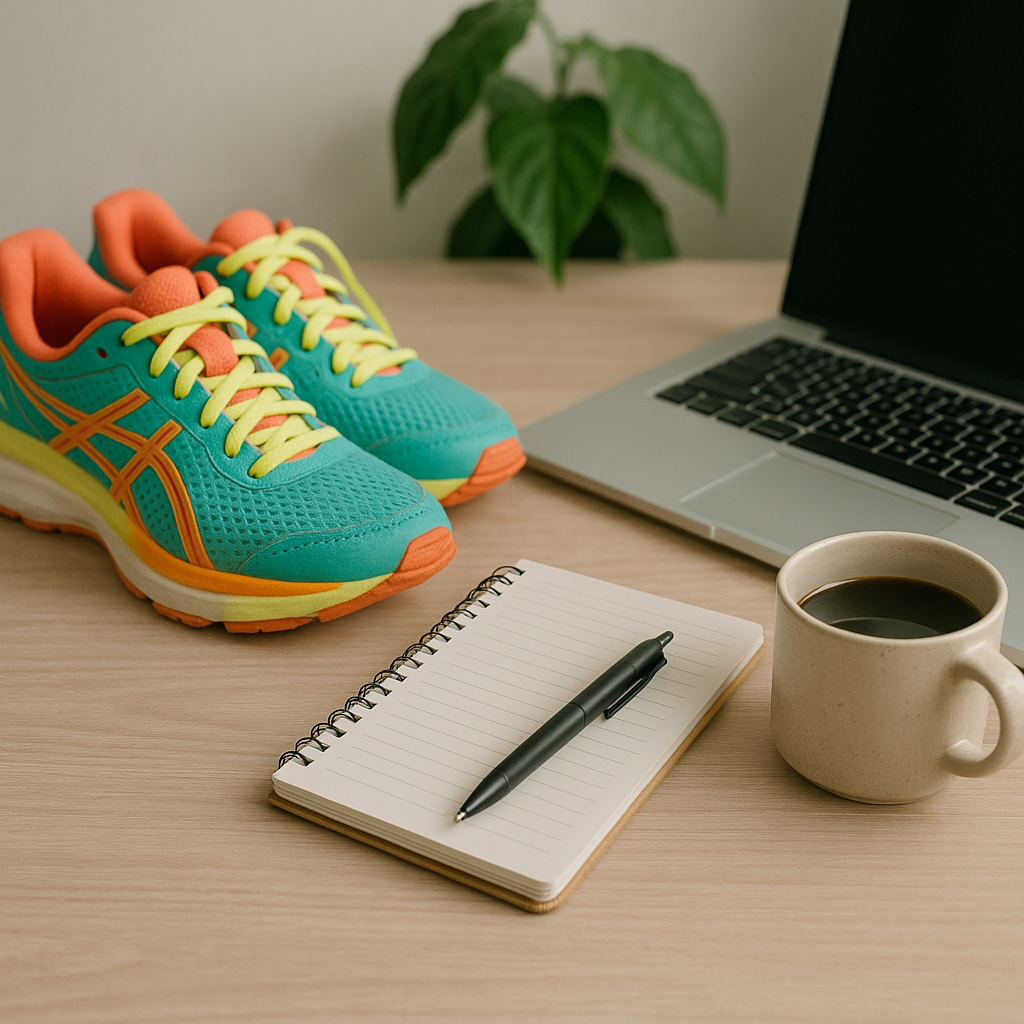
For many runners, “slow” feels like something to apologise for.
Too slow to belong.
Too slow to be a runner.
Too slow to count.
But from a training point of view, easy running is often the most effective — and sustainable — way to improve.
It’s also the foundation of what’s known as your aerobic base.
And without that base, everything else struggles to stick.
What easy running actually does
When you run at an easy, conversational pace, you’re training your aerobic system — the system your body relies on for the vast majority of running.
Building an aerobic base helps your body to:
Use oxygen more efficiently
Improve endurance without excessive fatigue
Strengthen muscles, tendons, and joints gradually
Because easy running places less stress on the body, it also:
Reduces injury risk
Improves recovery between sessions
Allows you to train more consistently
And consistency is what leads to long-term progress.
Not heroic sessions.
Not constant intensity.
Repeatable effort.
Why running slow helps you get faster
This often sounds counter-intuitive, but many runners deliberately run slow in order to improve.
At easier paces:
Your nervous system stays calmer
Stress hormones remain lower
Your body learns that running is safe and repeatable
Over time, this leads to:
A stronger aerobic base
An improvement in your natural, easy pace
Harder efforts that feel more controlled and sustainable
In other words, speed tends to arrive as a by-product — not something you force.
Why pushing harder too often backfires
Trying to improve by running hard all the time usually leads to:
Constant fatigue
Stalled progress
Niggling injuries that never quite settle
Hard running has a place.
But it works best when it’s layered on top of a strong aerobic foundation — not used as the foundation itself.
Most experienced runners spend far more time running easily than hard.
Slowing down isn’t giving up.
It’s laying foundations.
BraveKind pace
At BraveKind, pace isn’t a test.
It’s a tool.
If you can breathe, think, and finish feeling able to come back again — you’re running at the right pace.
Slow running isn’t holding you back.
Very often, it’s the thing that takes you further.
— Tim